
North America currently anchors the sector, holding a 41.4% market share bolstered by aggressive corporate carbon removal commitments and robust regulatory frameworks. Major players, including Microsoft, have moved to secure this supply, exemplified by the company's 2025 agreement with Exomad Green to purchase 1.24 million tonnes of carbon removal credits. Such deals signal a maturing market where agricultural waste and woody biomass are increasingly converted into high-value carbon assets.
Biochar Market Poised for Triple Growth by 2033
The global biochar market is set to climb from a valuation of US$ 910.4 million in 2026 to US$ 2.75 billion by 2033, driven by a 17.1% annual growth rate. This expansion reflects a shift in biochar's role from niche soil additive to a cornerstone of corporate climate strategies and carbon sequestration.
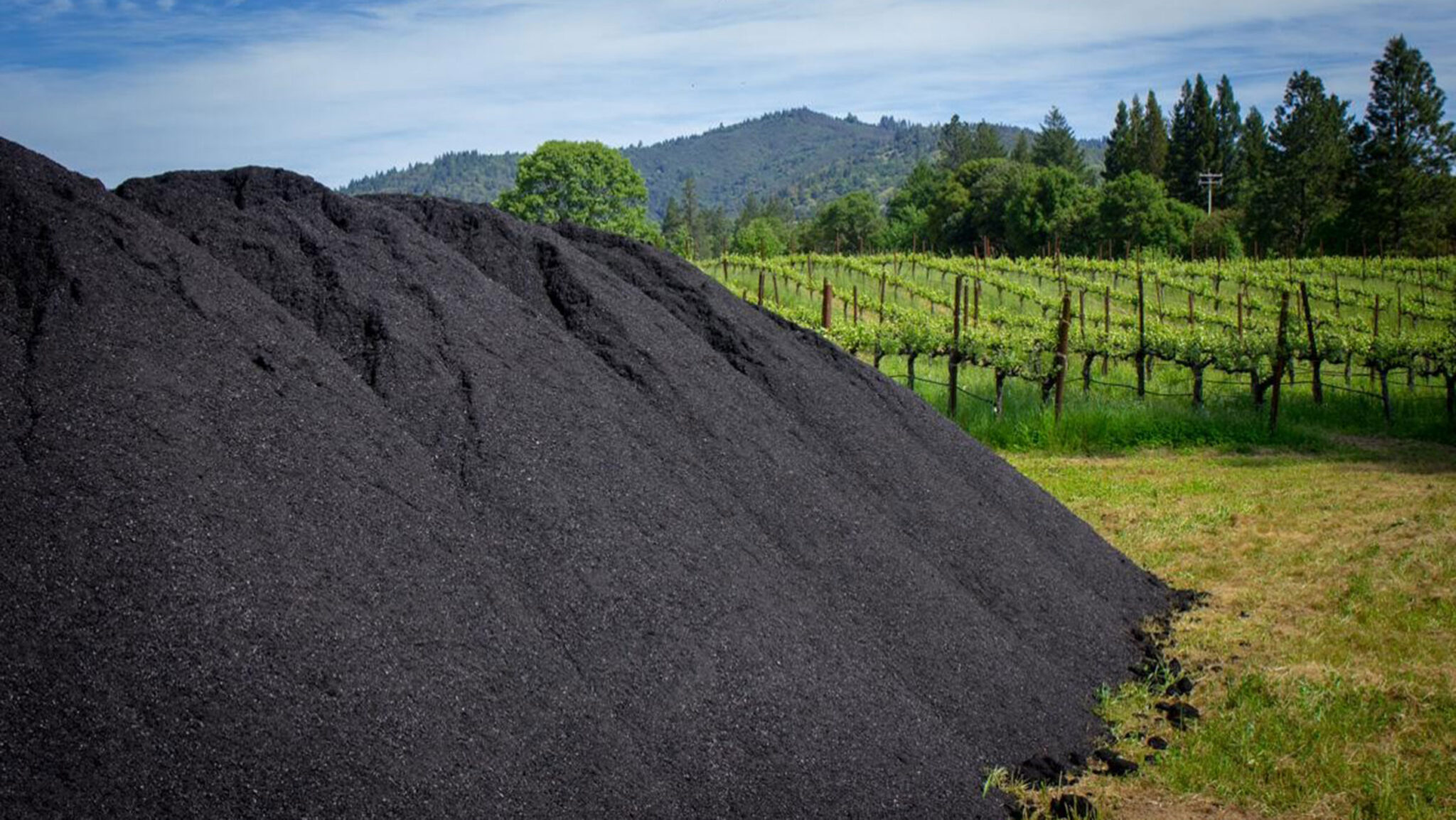
Agriculture remains the primary engine for this demand, as biochar offers a dual-benefit solution: improving soil fertility and water retention while permanently storing carbon. In the Asia Pacific region, countries like China and India are leveraging massive agricultural residue streams to fuel this growth. The deployment of decentralized production units is further lowering barriers to entry, allowing rural areas to convert biomass into economic value. As verification standards for carbon credits tighten, producers are pivoting toward technology-driven pyrolysis methods to meet both environmental and commercial performance goals.



Comments (0)
No comments yet. Be the first!