
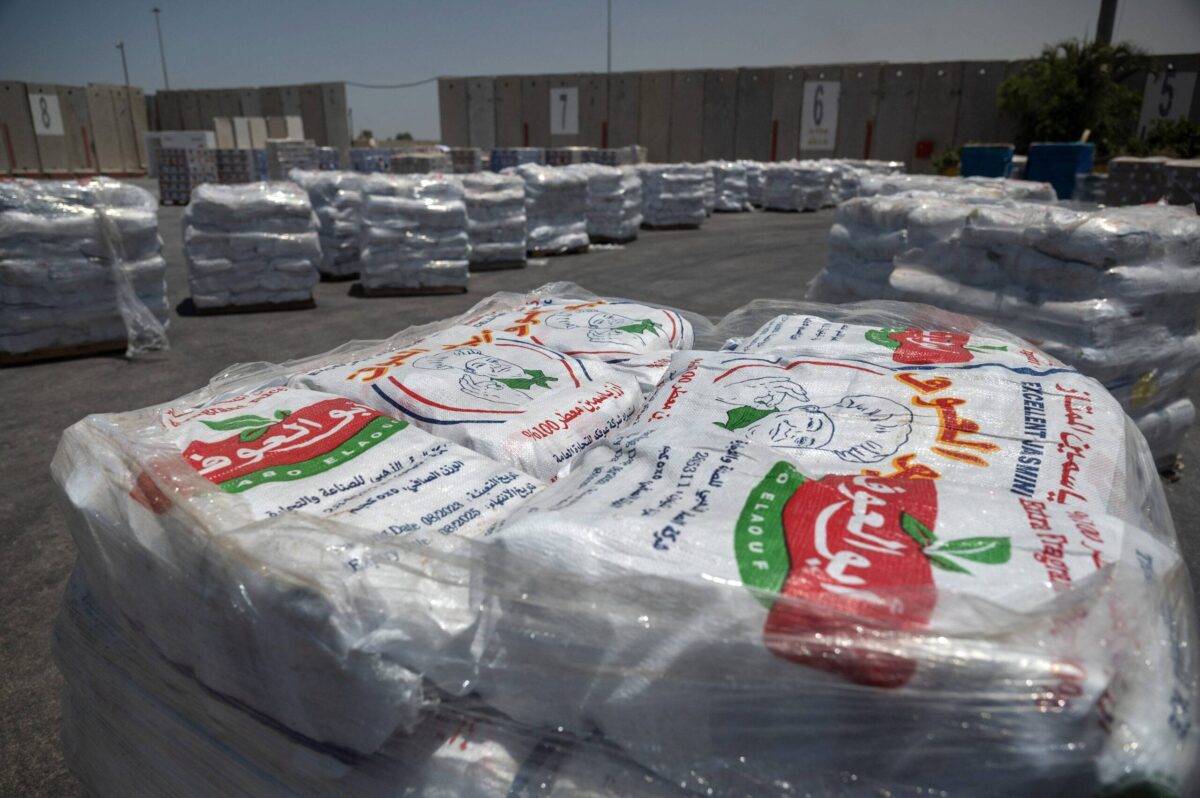
The research, conducted alongside the World Food Program, surveyed 3,500 households across eight nations in Africa, Asia, and Latin America. The data paints a grim picture: 40% of families reported eating one meal or none at all the day before being surveyed, while over half of all households struggle with severe food insecurity. Margaret Schuler, World Vision’s senior vice president of international programs, warned that these funding gaps force parents into impossible choices, directly threatening children's health and education.
The consequences of this instability are measurable. Households hit by aid cuts are 64% more likely to pull children from school for labor and twice as likely to face family separation. Rates of child labor and child marriage remain alarmingly high at 22% and 8% respectively. Yet, the report identifies a clear path forward: self-reliance. When families gain the ability to meet their own basic needs, child labor rates drop by 38%, and incidents of child marriage fall by 33%.




Comments (0)
No comments yet. Be the first!