
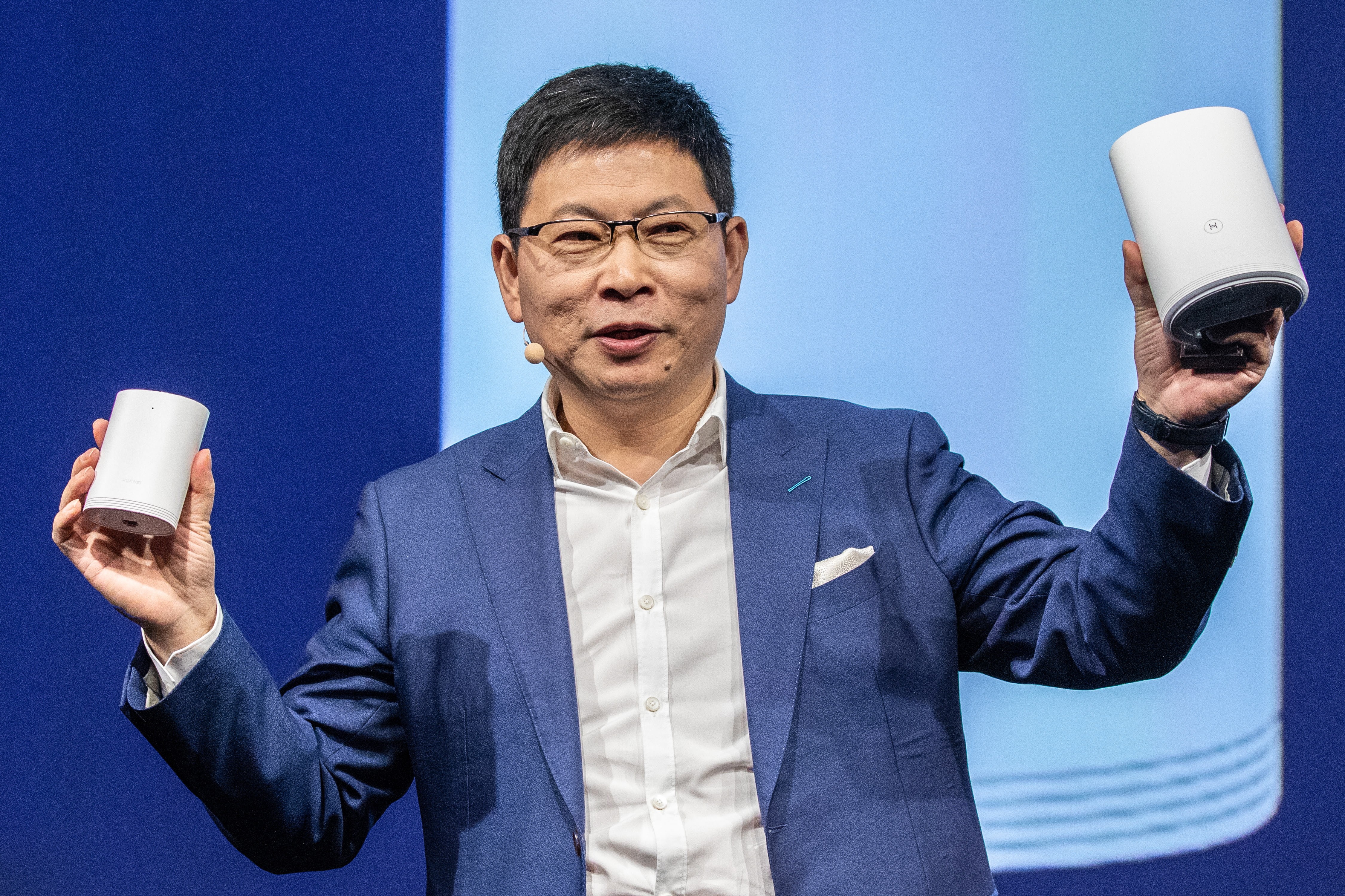
The core of this transition is the HarmonyOS Intelligent Agent Framework 2.0, which moves away from traditional app navigation toward an intent-as-service model. Huawei has rebuilt its assistant, Xiaoyi, to operate as a system-level intelligence capable of managing over 2,100 internal functions and coordinating with 2,000 third-party agents. Richard Yu, chairman of Huawei’s Consumer Business Group, positioned this release as a definitive shift into an agent-centric era, supported by the new openPangu 2.0 foundation model, which features a Pro variant boasting 505 billion parameters.
Huawei pivots to agent-based AI as HarmonyOS 7 targets China’s market
Four days after Apple confirmed its Siri AI features would remain unavailable in China, Huawei launched HarmonyOS 7 in Dongguan. By shifting its operating system toward an agent-based architecture, the company is aggressively occupying the regulatory and functional gap that currently limits Apple’s competitive reach within the Chinese smartphone market.
Market data underscores the significance of this move. As of Q1 2026, HarmonyOS holds a 19% share of the Chinese smartphone market, having surpassed Apple’s 16% stake. While Huawei’s ecosystem of 400,000 applications remains smaller than the global App Store, its deep integration with local services like Ctrip and Ant Medical creates a functional moat. Despite adopting a visual aesthetic similar to iOS 26, the underlying architecture is built for a distinct regulatory environment, turning what began as a survival response to 2019 US sanctions into a clear structural advantage in China.



Comments (0)
No comments yet. Be the first!