
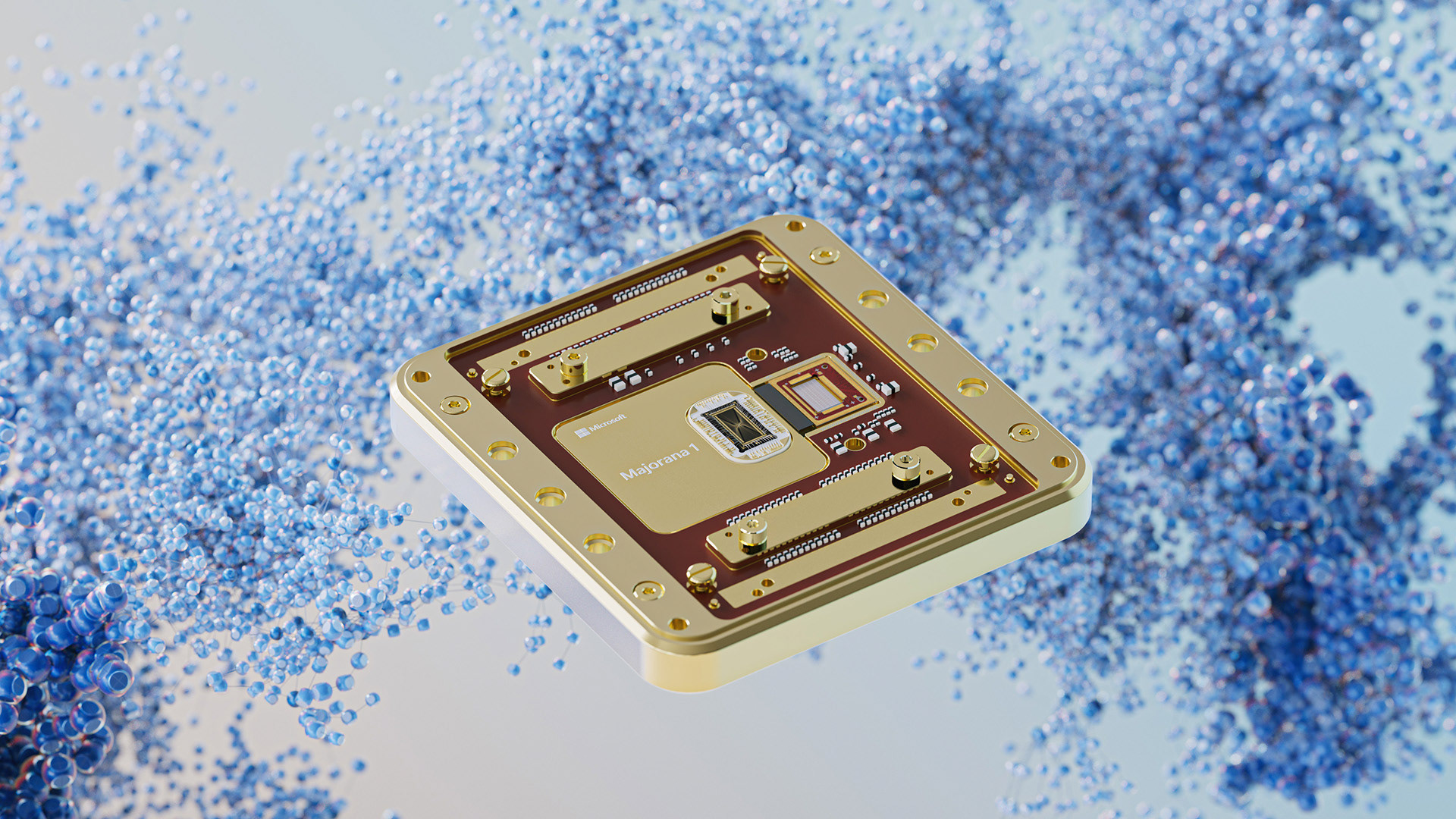
Majorana 2 represents a dramatic shift in quantum architecture, boasting reliability 1,000 times greater than its predecessor. By switching the superconducting material to lead, Microsoft achieved a stability level that allows qubits to retain their state for up to a minute—a feat the company likens to a smartphone battery lasting three years on a single charge. This progress has prompted the firm to pull its target for a commercially scalable quantum computer forward to 2029.
While the industry often credits AI with the chip's design, the reality is more nuanced. Microsoft Discovery agents did not invent the switch to lead; rather, they acted as force multipliers for human researchers. The platform synthesized two decades of siloed research data and automated qubit measurements, a task that previously demanded weeks of manual labor. By handling parallel voltage adjustments across hundreds of parameters, the agents mapped qubit conditions with a speed and complexity unattainable for human teams.


Comments (0)
No comments yet. Be the first!